
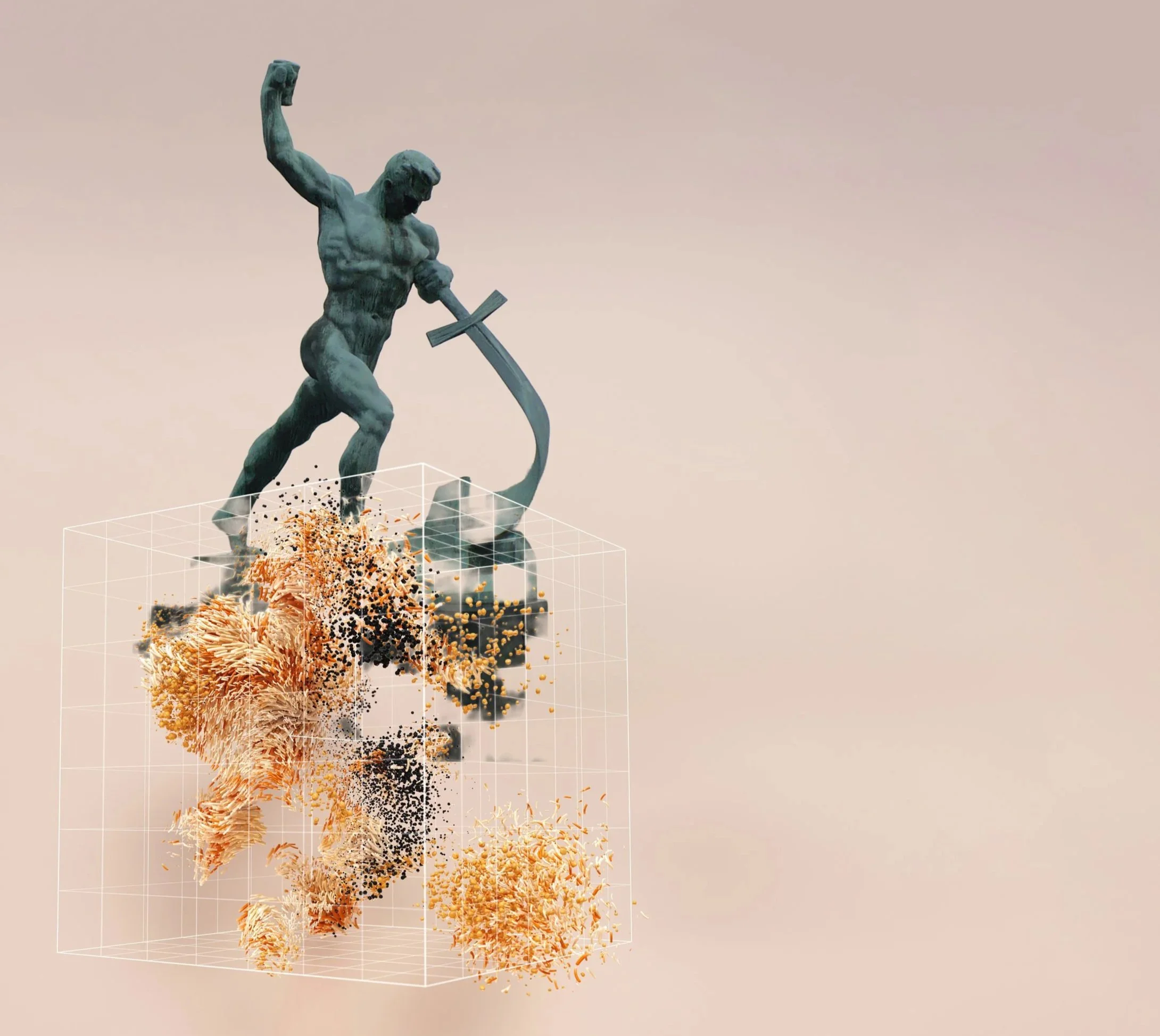
Panel Discussion on Pope Leo XIV’s Encyclical “Magnifica humanitas”
This interdisciplinary panel will critically examine the demands and statements in Pope Leo XIV’sencyclical *Magnifica Humanitas*from theological, ethical, sociopolitical, economic, and technical perspectives. In it, the Pope comments at length on the fundamental challenges posed by artificial intelligence and calls for nothing less than “disarming” AI.
The panel discussion is a collaboration between the Swiss Data Alliance, Wikimedia Switzerland, and the Jesuits in Switzerland. The discussion will be held in German.
Registration is not required. The event is free of charge. A reception will follow the discussion.
On the panel
Felix Gmür, Bishop of Basel
Anton Aschwanden, Government Affairs & Public Policy at Google
Jenny Ebermann, Executive Director of Wikimedia CH
Abraham Bernstein, professor at the Department of Computer Science at the University of Zurich
Nadia Mazouz, professor in the Department of Humanities, Social Sciences, and Political Science at ETH Zurich
Alexandra Kaiser-Duliba, Senior Research Assistant at the Institute for Social Ethics at the University of Lucerne
Host:
André Golliez, President of the Swiss Data Alliance
Christian Rutishauser, S.J., Jesuits in Switzerland
“Disarming AI means removing it from the logic of armed competition, which today is no longer merely military in nature but also economic and cognitive. This race is about the most powerful algorithm and the largest database, in order to secure a geopolitical or commercial advantage over everyone else. Disarming means breaking this equation between technical power and the right to rule. Disarming does not mean doing without technology, but rather preventing it from dominating humanity. It means taking it away from monopolies, making it open to scrutiny and challenge—and thus life-affirming—and returning it to the diversity of human cultures and ways of life. Today, this task is not merely ethical or technical in nature: it is ecological in the most radical sense, for it concerns a new dimension of our shared home. AI is already an environment that surrounds us and a power we must grapple with. Therefore, it is not enough to regulate it: it must be disarmed and made life-affirming.”
Encyclical *Magnifica Humanitas*, paragraph 110